
Defining Regulatory Compliance
- ✓ Protects Reputation
- ✓ Avoids Legal Issues
- ✓ Enhances Efficiency
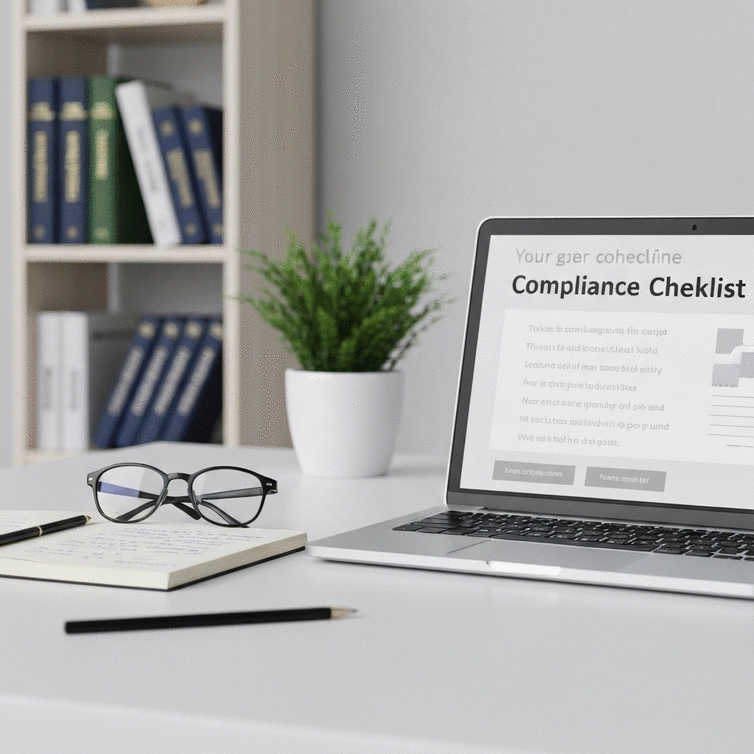
What if your business's success hinged on how well you understand compliance? In an era where regulations shift rapidly and penalties loom large, mastering these complexities isn't just beneficial; it's essential.
Navigating the complexities of business law and regulatory compliance involves understanding crucial areas and strategic approaches. This visual summarizes the core elements and challenges that businesses face in maintaining ethical and legal operations.
In today's fast-paced business environment, understanding compliance and regulatory issues is essential for success. Businesses must navigate a complex web of laws and regulations that govern their operations. From financial institutions to healthcare providers, each sector faces unique compliance challenges that can significantly impact their bottom line. In this section, we’ll explore these aspects to equip you with the knowledge needed to thrive.
Regulatory compliance has increasingly become a pivotal part of business strategy. It ensures that organizations operate within the law, maintain ethical standards, and protect their reputations. Without a strong compliance framework, companies risk facing legal penalties, financial losses, and damage to their public image. So, let’s dive deeper into the key components of regulatory compliance.

Regulatory compliance refers to the adherence to laws, regulations, guidelines, and specifications relevant to a business's processes. It encompasses various aspects, including financial reporting, data protection, environmental laws, and labor practices. Understanding these regulations is crucial, as non-compliance can lead to severe repercussions. Here are some important reasons why compliance matters:
In essence, strong regulatory compliance not only protects your business legally but also promotes a culture of integrity and excellence.
As businesses adapt to an ever-evolving regulatory landscape, they face several compliance challenges. Navigating these can often feel daunting, but being aware of them is the first step toward overcoming them. Let's consider some of the most pressing challenges:
By understanding these challenges, businesses can develop proactive strategies to address them effectively and integrate compliance into their operational DNA.
Business law encompasses the rules and regulations that govern the formation and operation of a business. It plays a vital role in ensuring compliance, as it outlines the legal frameworks within which companies must operate. For example, the areas of contract law, employment law, and intellectual property are all critical elements of business law that directly influence compliance strategies.
A solid understanding of business law can empower entrepreneurs and managers to navigate their responsibilities confidently. Here are a few key areas where business law intersects with compliance:
By integrating knowledge of business law into compliance practices, companies can create a robust framework that not only meets legal requirements but also enhances their competitive edge.
Did you know? Implementing a regular compliance training program not only keeps your team informed about the latest regulations but also fosters a culture of accountability and ethical behavior within your organization. This proactive approach can significantly reduce the risk of non-compliance and enhance your business's reputation.
Compliance is not just a box to check; it’s a vital part of your business strategy. By addressing compliance challenges through strategic planning, businesses can foster trust and maintain their reputation in the market. It’s crucial to understand that effective compliance management can lead to operational efficiencies, risk mitigation, and even enhanced financial performance.
Moreover, businesses must stay proactive in their compliance efforts. Start by regularly reviewing your compliance obligations and aligning them with your overall business objectives. This ensures that compliance is integrated into the culture of your organization, rather than being treated as an afterthought.
Let’s dive into some strategies to help you effectively tackle compliance challenges:
By adopting these strategies, your business can navigate compliance complexities with a clearer path forward. Remember, compliance is an ongoing journey, not a one-time task! The U.S. Chamber of Commerce reports that many small businesses find regulations a hindrance to growth, emphasizing the need for strategic planning.

Integrating technology into your compliance management is essential. It not only saves time but also enhances accuracy. Consider the following when implementing technology solutions:
With the right technology and frameworks, your business can not only achieve compliance but also build a more resilient operational structure.
Corporate governance plays a crucial role in compliance management. A strong governance framework underscores the importance of ethical behavior throughout your organization. Here are key aspects to consider:
By fostering a culture of ethics and integrity, you not only enhance compliance but also build a strong foundation for your business's long-term success.
Now that we’ve covered the essentials, it’s time to take action! Moving forward with compliance strategies requires a personalized approach tailored to your specific needs and circumstances.
Every business is unique, and your compliance roadmap should reflect that. Here’s how you can create a tailored plan:
Creating a personalized roadmap helps you stay organized and focused on your compliance objectives, making the process less overwhelming!
Don’t hesitate to reach out for help! Engaging with expert resources can significantly enhance your compliance efforts. Whether it’s connecting with legal professionals through E Lawyers Near Me or utilizing specialized compliance tools, surrounding yourself with the right support can make all the difference.
Remember, the goal is to make compliance manageable and integrated into your business strategy. With the right tools and guidance, you’ll be well on your way to navigating the compliance landscape successfully!
Here is a quick recap of the important points discussed in the article:
Budgeting for Immigration Legal Services

Budgeting for immigration legal services can be overwhelming, but understanding the costs involved i
Understanding Criminal Defense Strategies

What if the difference between a fair trial and a conviction hinges on understanding the criminal ju
Navigating Grandparent Rights Legally

What if the bond you cherish with your grandchildren is at risk? Navigating the complexities of gran

Budgeting for Immigration Legal Services
Understanding Criminal Defense Strategies
Navigating Grandparent Rights Legally
Safeguarding Property Rights in Disputes
Tips for Effective Business Agreements