
DNA Analysis: Definitive Evidence
Can either incriminate or exonerate individuals, often seen as one of the most definitive forms of evidence due to its reliability in confirming or disproving involvement.
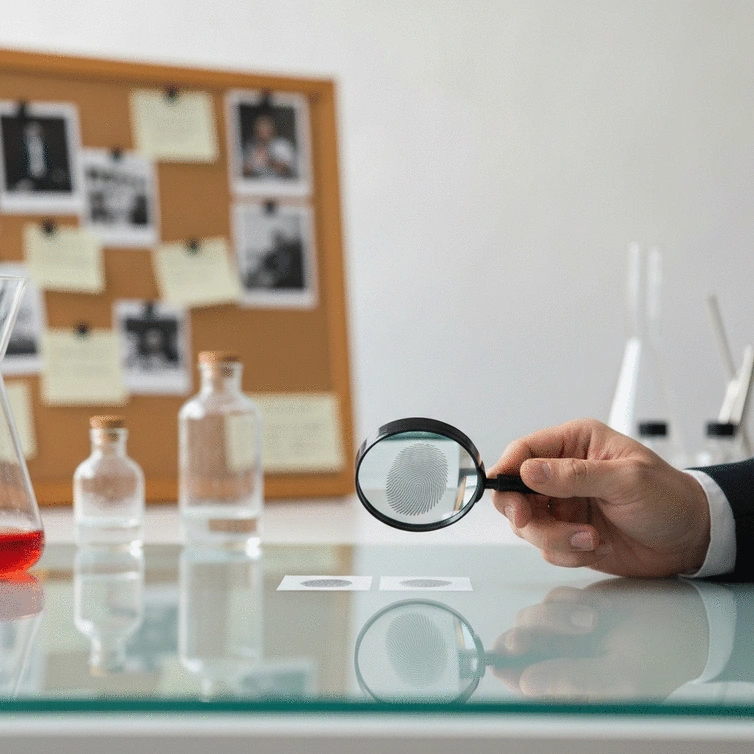
Forensic science is not just a tool for prosecutors; it's a vital asset for criminal defense attorneys seeking to ensure justice. As you delve into the myriad ways forensic evidence can shape legal outcomes, consider how these insights can empower both defendants and their legal representatives.
This visual illustrates the significant types of forensic evidence used in criminal defense and their potential impact on case outcomes.
Can either incriminate or exonerate individuals, often seen as one of the most definitive forms of evidence due to its reliability in confirming or disproving involvement.
Crucial for understanding effects of drugs/alcohol in cases, impacting judgment or behavior. Can mitigate client's culpability by clarifying circumstances.
Staple for connecting suspects to crime scenes. Interpretation can be complex and subject to challenges regarding collection and analysis methods.
Studies projectiles and firearms to link bullets to specific weapons. Critical for reconstructing crime scenes and providing evidence in shooting incidents.
Forensic science plays a crucial role in the criminal defense landscape, helping to bridge the gap between legal proceedings and scientific analysis. When we think about forensic evidence, it’s not just about dramatic courtroom revelations seen on television. It’s a comprehensive method that assists defense attorneys in uncovering the truth behind a case. Let’s explore this fascinating intersection of science and law!
As someone who is dedicated to simplifying access to justice through technology, I often see how vital forensic evidence is for individuals facing criminal charges. Understanding how this evidence is collected and analyzed can empower defendants and their lawyers to construct a solid defense strategy.
Forensic evidence encompasses any scientific evidence that can be used in a court of law. This type of evidence is pivotal for establishing facts and can come from various sources, including biological samples, digital data, and physical artifacts. By employing forensic experts, criminal defense attorneys can challenge or support claims made during a trial. For a deeper understanding of federal efforts to advance forensic science, you can refer to insights from the Office of Legal Policy at the U.S. Department of Justice.
Each of these categories plays a significant role in shaping a case's outcome. Criminal defense attorneys can leverage this information to build their arguments, allowing for a more informed approach to legal strategy.
Understanding the various types of forensic evidence is essential for anyone involved in a criminal case. Here are some of the key types you might encounter:
Each of these types can significantly impact the direction of a case. For instance, a strong DNA match can lead to a conviction, whereas the absence of forensic evidence can bolster a defense.
DNA analysis has revolutionized criminal defense, providing powerful evidence that can either incriminate or exonerate individuals. This biological evidence is derived from various sources, including blood, hair, and saliva. Defense attorneys frequently rely on DNA analysis to challenge the prosecution’s claims and to establish reasonable doubt.
In many cases, DNA evidence can confirm an individual's presence at a crime scene or disprove their involvement altogether. Because of its reliability, it has become a cornerstone in both prosecution and defense strategies.
Toxicology reports are crucial for understanding the effects of drugs and alcohol in criminal cases. These reports analyze biological samples to detect the presence of substances that may impair judgment or influence behavior. In cases involving driving under the influence or drug-related offenses, these reports are indispensable.
For defense attorneys, leveraging toxicology reports can help paint a clearer picture of the circumstances surrounding an incident, potentially mitigating their client's culpability.
Fingerprint analysis remains a staple of forensic science, often used to connect suspects to crime scenes. Each person’s fingerprints are unique, making them a reliable form of evidence. However, the interpretation of fingerprint evidence can be complex and is often subject to scrutiny.
Defense attorneys can challenge the validity of fingerprint matches and the methods used to collect and analyze them, emphasizing the potential for human error and the reliability of the technology behind the analysis.
Ballistics involves the study of projectiles and firearms, which is essential in crime scene investigations involving shootings. Through forensic ballistics, experts can link a bullet to a specific firearm, providing critical evidence in a case.
For defense attorneys, effectively integrating ballistics evidence can either solidify a case against a defendant or open avenues for challenging the prosecution’s narrative.
When engaging forensic experts, it’s crucial to select professionals who not only have the right qualifications but also experience with the specific type of evidence in your case. Their expertise can significantly influence the interpretation of evidence and the outcome of your trial. Always discuss the potential implications of any forensic findings with your legal team to ensure a comprehensive defense strategy.
In the world of criminal defense, forensic science can be a game changer. Criminal lawyers often utilize various strategies that leverage forensic analysis to build a stronger case for their clients. These strategies not only help in establishing reasonable doubt but also challenge the evidence presented by the prosecution. Let's explore some of these vital tactics!
One of the primary objectives of a criminal defense attorney is to establish reasonable doubt. Forensic analysis plays a crucial role in this process. By scrutinizing evidence and presenting counterarguments, lawyers can create a narrative that leaves jurors questioning the prosecution's claims. For continued advancements and research in forensic science, attorneys and experts can look into funding opportunities from the National Institute of Justice.
This multi-faceted approach allows defense lawyers to effectively convey their client's innocence and create doubt in the minds of jurors. Every case is unique, and a tailored strategy can make all the difference!
When it comes to challenging the prosecution's evidence, defense lawyers employ various tactics that can shift the case’s dynamics. Here are some common techniques:
By implementing these strategies, lawyers can cast doubt on the prosecution's evidence, making it harder for the jury to convict the defendant. This is especially important in cases where the stakes are high, like felonies or violent crimes.
Chain of custody refers to the process of maintaining and documenting the handling of evidence. Any breaks in this chain can lead to questions regarding the integrity of the evidence. Attorneys often focus on:
By questioning the chain of custody, defense lawyers can argue that the evidence should be deemed inadmissible in court, thus weakening the prosecution's case.
The prosecution often relies on expert witnesses to validate their forensic evidence. Defense attorneys skillfully cross-examine these experts to:
This technique can significantly undermine the prosecution's credibility and bolster the defense's position. It’s all about ensuring that the jury sees the full picture!
Forensic pathology can provide crucial insights in criminal cases, particularly in homicide trials. Defense attorneys can utilize forensic pathologists to:
By integrating expert insights from forensic pathology, criminal defense lawyers can craft compelling arguments that challenge the prosecutor's narrative.
Here is a quick recap of the important points discussed in the article:
Budgeting for Immigration Legal Services

Budgeting for immigration legal services can be overwhelming, but understanding the costs involved i
Understanding Criminal Defense Strategies
What if the difference between a fair trial and a conviction hinges on understanding the criminal ju
Navigating Grandparent Rights Legally

What if the bond you cherish with your grandchildren is at risk? Navigating the complexities of gran

Budgeting for Immigration Legal Services
Understanding Criminal Defense Strategies
Navigating Grandparent Rights Legally
Safeguarding Property Rights in Disputes
Tips for Effective Business Agreements