
US Citizenship Timeline
The duration to become a US citizen varies based on residency status, application completeness, and USCIS backlog.
6 Months - Several Years(Typical Processing Time)

Are you ready to uncover the essential information that can guide you through the complexities of immigration law? Understanding these key concepts can empower you to take confident steps in your immigration journey.
Understanding the duration for U.S. citizenship and the fundamental differences between visas and green cards is crucial for navigating immigration processes effectively.
The duration to become a US citizen varies based on residency status, application completeness, and USCIS backlog.
Allows entry for a limited time (e.g., tourist, student, or work).
Provides permanent residency and the right to live and work indefinitely.
When it comes to immigration law, I understand that you might have a lot of questions swirling in your mind. It’s essential to address these common immigration law questions to establish trust and confidence as you navigate the complexities of immigration processes. By equipping you with clear, reliable information, I aim to empower you to make informed decisions about your legal needs.

Many individuals find themselves feeling lost amidst the rules and regulations. Whether you’re considering applying for citizenship or seeking a visa, it's crucial to have a solid understanding of the legal landscape. At E Lawyers Near Me, we’re here to simplify the process and connect you with the right legal expertise!
Addressing common immigration law questions is not just about providing answers; it’s about building a strong foundation of trust with potential clients. Knowing what to expect can alleviate anxiety and make the process smoother.
As you start to explore these FAQs, remember that getting your questions answered by experienced attorneys can make all the difference. Having a trustworthy resource can help you feel more confident as you take your next steps!
One of the most common questions I hear is about the citizenship timeline. The duration can vary significantly based on a few key factors, including your residency status, application completeness, and the current backlog at USCIS.
Typically, the process can take anywhere from six months to several years. Factors influencing processing times can include:
It’s important to stay informed about your application status and be prepared for possible delays. I recommend maintaining open communication with your attorney to navigate these hurdles effectively.
Understanding the distinction between a visa and a green card is essential for anyone exploring immigration options. A visa is typically temporary, allowing you to enter the U.S. for a specific purpose, while a green card grants you permanent residency.
This difference is significant in the immigration process. For instance, the USCIS I-914 application is relevant for those seeking U nonimmigrant status, which can be a step towards permanent residency. If you're unsure which one suits your situation, reaching out to a qualified attorney through E Lawyers Near Me can help clarify your options!
There’s a variety of visa types available, and choosing the right one can feel overwhelming! Here’s a brief overview of some common visa categories:
Each visa type has its own requirements and processes, so it’s essential to understand what applies to your situation. I encourage you to explore these options further and consult with an experienced attorney who can guide you on the best path forward!
Did you know? Understanding the nuances of visa categories can save you time and reduce stress during your application process. Each visa type has unique requirements and benefits, so be sure to consult with an immigration attorney to determine the best option for your specific situation!
To further clarify some of the most common concerns, here are answers to frequently asked questions about immigration law:
As we wrap up our discussion on essential immigration law questions, it’s crucial to understand the insights provided by experienced attorneys. These professionals navigate the complexities of immigration, offering clarity and support for individuals seeking assistance. By grasping the main topics we’ve covered, you can arm yourself with knowledge and feel more confident in your immigration journey.
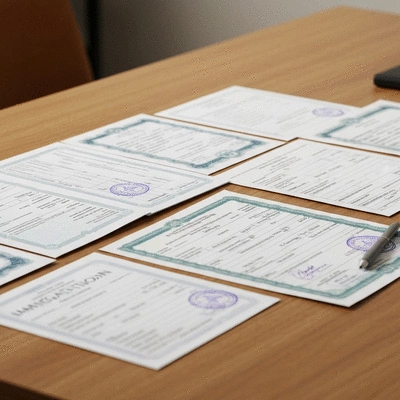
Whether it’s understanding the difference between a visa and a green card or knowing what documents are needed for your citizenship interview, each question plays a pivotal role in your legal process. Making informed decisions can significantly impact your experience and outcome.
When it comes to immigration law, having the right guidance is essential. Trusting experienced attorneys ensures that you have access to valuable insights and effective strategies. They can help you avoid common pitfalls and navigate the often overwhelming processes with confidence.
By enlisting the help of attorneys who specialize in immigration law, like those you can connect with through E Lawyers Near Me, you significantly enhance your chances of a successful outcome. Their expertise acts as a guiding light through the intricacies of the legal system.
Ready to take the next step in addressing your immigration concerns? Don’t hesitate to reach out for professional consultations! Simply visit E Lawyers Near Me to connect with qualified immigration lawyers ready to assist you.
These steps will not only clarify your questions but also empower you to make informed decisions that can affect your future.
Staying informed about immigration law is essential in today’s ever-changing landscape. We encourage you to subscribe to our newsletter for ongoing updates and insights on immigration issues. By doing so, you’ll gain access to:
Following us on social media is another great way to keep your finger on the pulse of immigration news. Join our community and stay connected!
As you navigate your immigration journey, know that you’re not alone. There are numerous resources and support groups available to guide you along the way. Here are some valuable options:
Utilizing these resources can enhance your understanding and provide the support needed during this process. Remember, at E Lawyers Near Me, we’re committed to helping you find the right legal assistance tailored to your needs!
Here is a quick recap of the important points discussed in the article:
Budgeting for Immigration Legal Services

Budgeting for immigration legal services can be overwhelming, but understanding the costs involved i
Understanding Criminal Defense Strategies

What if the difference between a fair trial and a conviction hinges on understanding the criminal ju
Navigating Grandparent Rights Legally

What if the bond you cherish with your grandchildren is at risk? Navigating the complexities of gran

Budgeting for Immigration Legal Services
Understanding Criminal Defense Strategies
Navigating Grandparent Rights Legally
Safeguarding Property Rights in Disputes
Tips for Effective Business Agreements